Understanding the Basics of Van Conversion Electrics
As more people embrace the van life movement, understanding the intricacies of van conversion electrics becomes essential. Whether you're planning to live on the road or just enjoy weekend getaways, having a solid grasp of the electrical systems in your campervan can greatly enhance your experience. From selecting the right batteries to integrating solar power, every component plays a crucial role in the functionality and efficiency of your camper setup. When exploring options, rokok88 login provides comprehensive insights that can help streamline your conversion process.
What You Need to Know About Batteries
Batteries are the heart of your campervan's electrical system. They store energy generated from solar panels or charged from an external source, powering everything from lights to appliances. Understanding the different types of batteries, such as lead-acid and lithium, is vital. Lithium batteries, for example, are more expensive but offer longer life and lighter weight compared to traditional lead-acid options.
When selecting batteries, consider factors such as capacity (measured in amp-hours) and discharge rates. A good rule of thumb is to estimate your power consumption and select a battery bank that can comfortably handle your needs. For full-time van lifers, a combination of deep cycle batteries paired with solar panels may provide the best balance of convenience and efficiency.
Understanding Solar Panel Systems
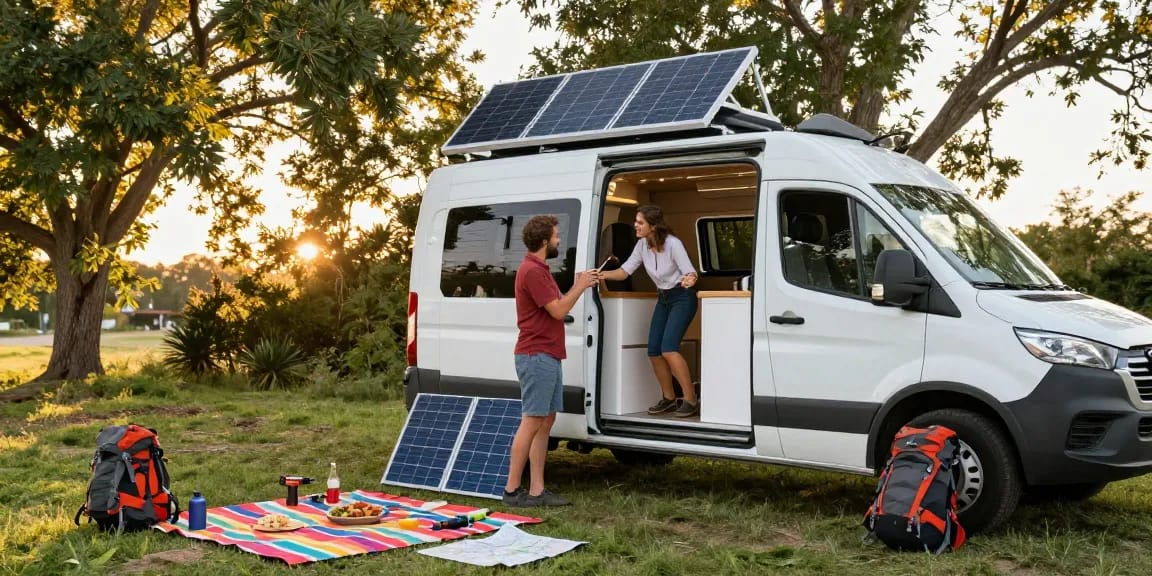
Solar panels are an excellent way to ensure endless energy supply while living off-grid. They convert sunlight into electricity, which can directly power your devices or charge your batteries. When designing a solar system for your van, you'll need to consider the number of solar panels, their wattage, and how they will be mounted.
Typically, a solar system may include solar panels, a charge controller, batteries, and an inverter to convert DC power to AC for household appliances. The size of your solar array largely depends on your energy consumption needs. For instance, if you use a refrigerator, lighting, and electronic devices, you may require a larger system than someone who only needs to power lights and charge a phone.
Essential Wiring Techniques for Your Conversion
Wiring your van properly is crucial for safety and functionality. Use the right gauge of wire to handle the amperage load and ensure all connections are secure. Always adhere to local electrical codes and safety standards, which may vary depending on your location. Properly labeling wires can also help in troubleshooting potential issues down the road.
Consider using heat-shrink connectors for better insulation and waterproofing. Additionally, route wires away from sharp edges and potential pinch points, and use protective sheathing to prevent damage. An organized wiring system not only improves performance but also makes future upgrades and maintenance simpler.
Calculating Campervan Battery Size and Solar Needs
Before embarking on your conversion journey, it’s essential to determine the power requirements for your campervan. Accurately calculating both battery size and solar needs can save you from headaches later on. Understanding these calculations can facilitate proper planning and ensure a seamless off-grid living experience.
Using a Battery Size and Solar Calculator
Battery size calculators can be found online to help you estimate the amp-hours required to power your devices. These tools take into account factors like the total wattage of appliances, their usage duration, and the number of days you wish to remain off-grid without recharging. Knowing how to use these calculators can help streamline your planning process significantly.
For solar panel sizing, consider what percentage of your energy needs you wish to be solar-powered and the availability of sunlight in your area. The calculator will help you design a system that balances your consumption and generation.
Estimating Power Requirements for Off-Grid Living
To estimate your power requirements, list all the electrical devices you'll be using and calculate their daily consumption. For example, if you plan to use LED lights, a refrigerator, and electronic devices, sum their wattage and multiply by usage hours. This total will give you a clearer picture of your daily needs.
Consider factors like energy efficiency and future energy needs as you plan. As your lifestyle evolves, your power needs may change, so it’s wise to build a system that can adapt over time.
Choosing the Right Components for Efficiency
Each component in your electrical system should be chosen for efficiency and compatibility with the rest of your setup. High-efficiency appliances and energy management systems can minimize power loss and maximize battery life.
Investing in a quality solar charge controller is crucial, as it regulates the voltage and current coming from your solar panels to your batteries. A good controller can prevent overcharging and extend the lifespan of your batteries.
Insulating Your Van: How and Why
Insulation is a crucial aspect of van conversions that often gets overlooked. Proper insulation not only enhances comfort but also helps regulate temperature and can increase energy efficiency.
The Importance of Proper Insulation
Effective insulation keeps your van warm in colder months and cool during summer, making it much more comfortable for living. It also reduces the load on your heating and cooling systems, leading to lower energy consumption overall.
Additionally, sound insulation can help create a more peaceful environment, particularly during long trips or when parked in noisy areas.
Materials and Techniques for Effective Insulation
Common insulation materials for van conversions include foam board, spray foam, and reflective barriers. Each material has its pros and cons, and the choice depends on your specific needs, budget, and climate.
When applying insulation, ensure to seal gaps effectively. Air leaks can significantly diminish the effectiveness of your insulation. Pay attention to areas around windows, doors, and any potential entry points for drafts.
Common Mistakes to Avoid During Insulation
One of the most common mistakes in insulating a van is not accounting for moisture. It's essential to choose materials that manage moisture effectively to prevent mold growth. Additionally, neglecting to insulate the floor can lead to discomfort during colder months, so ensure that every area of the van is addressed during the insulation process.
Step-by-Step Guide to Convert Your Van
Converting a van into a livable space can be an exhilarating process. With proper planning and execution, you can create a comfortable and functional home on wheels.
Planning Your Conversion Layout
Your first step should involve planning the layout of your van conversion. Consider how each component will fit together and the flow of movement within the space. Sketch out your ideas, taking into account areas for sleeping, cooking, and storage.
Using programs or apps designed for van layouts can help visualize the space and may lead to discovering new possibilities you hadn’t considered.
Executing the Conversion: Step-by-Step
With a solid plan in place, begin your conversion by prepping the van. This may include cleaning, stripping down old components, and making necessary repairs. Next, tackle the insulation before moving on to electrical and plumbing systems. It’s often best to work from the ground up, ensuring that foundational elements are secure before adding decor and finishing touches.
Many van lifers recommend documenting each step of the process, not only for personal reflection but also to share with others who may be considering a similar journey.
Final Touches: Making Your Van Feel Like Home
After the major components are in place, focus on the aesthetics and personal touches that make the space your own. This could include choosing a color palette, adding artwork, or incorporating plants. The goal is to create a welcoming environment where you feel comfortable and at home.
Don’t forget to incorporate clever storage solutions to maximize the limited space available. Items that are multifunctional can help maintain order and provide a more organized experience.
Choosing the Best Van for Your Camper Conversion
Selecting the right van is a critical step in the conversion journey. Not all vans are created equal, and understanding the specifications of different models can impact your overall success.
Evaluating Different Van Models
When choosing a van, consider factors such as size, engine efficiency, and reliability. Popular models for conversions include the Ford Transit, Sprinter, and Ram ProMaster, each with unique characteristics that suit different lifestyles.
Research user reviews and conversion experiences shared by other van lifers can provide valuable insights into which model may suit your needs best.
Factors to Consider for Your Adventure Needs
Your lifestyle and travel plans should heavily influence your choice of van. If you plan to travel extensively off-road, a van with higher ground clearance and a robust engine may be necessary. Conversely, if you’ll mainly be parked in urban areas, a smaller, more maneuverable vehicle might be ideal.
Expert Tips on Budgeting for Your Van Purchase
Budgeting is an essential part of selecting your van. Consider not only the initial purchase price but also ongoing expenses such as insurance, maintenance, and fuel. Setting aside a contingency budget for unexpected repairs or upgrades is also wise.
How to Plan for Future Upgrades?
Van life can be a dynamic experience, and your needs may evolve. Consider planning for future upgrades during your initial conversion. Leave space for additional components, such as solar panels or an expanded battery bank, to accommodate your evolving lifestyle.
What are the Most Common Challenges in Van Conversions?
Many van lifers report facing challenges such as space constraints, budget overruns, and unexpected vehicle issues. Documenting your process can help mitigate these issues by providing insights that inform future decisions. Utilizing experienced resources or communities can also alleviate common problems faced by others.
How to Maintain Your Van After Conversion?
Regular maintenance is crucial for the longevity of your van. Keep an eye on the electrical systems, plumbing, and overall vehicle condition. Regular inspections can catch problems early before they become significant issues.
Developing a maintenance schedule can help keep your van in optimal working condition. Regular checks on your batteries, solar systems, and insulation integrity will enhance both performance and comfort.
What Accessories Enhance the Van Life Experience?
Accessories such as portable water tanks, foldable furniture, and outdoor gear can significantly enhance your van life experience. Investing in quality items that suit your specific needs can make a big difference in both functionality and comfort.
Additionally, tools for outdoor cooking, camping gear, and even technology for remote work can make your adventures more enjoyable.
How to Connect with Other Van Lifers Online?
Engaging with online van life communities can provide ongoing support and inspiration. Social media platforms and forums can connect you with like-minded individuals who share tips, stories, and experiences. Joining groups on platforms like Facebook or Reddit can open doors to new friendships and valuable networking.
Being part of a community can enhance your van life experience, providing encouragement and advice as you navigate the challenges and joys of life on the road.